
What You Need to Know About the My Number Card Changes Coming in 2028

Updated: Dec 23, 2025
Japan’s My Number Card system is about to undergo significant changes around 2028. If you live in Japan as a foreigner, understanding these updates is essential because they will affect how you use your My Number Card, especially for health-related services. The new system will replace the current card with an upgraded version, and if you don’t switch to the new card, you might lose access to important functions like the health insurance card feature, known as the "Myna Hokensho."
This post explains what the My Number Card changes mean, how the new card differs from the current one, and what steps you need to take to prepare for this transition.

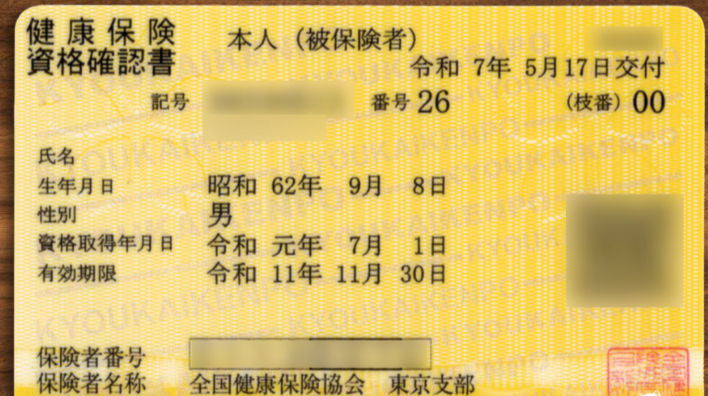
Current My Number Card used for identification and health insurance in Japan
What Is the My Number Card and Why Does It Matter?
The My Number Card is a government-issued ID that contains your 12-digit individual number. It serves multiple purposes:
Proof of identity
Access to government services
Use as a health insurance card (Myna Hokensho)
Digital signing and authentication
For foreigners living in Japan, the card simplifies many administrative tasks, including healthcare access. The government introduced the card to improve efficiency and reduce paperwork.
The upcoming changes will expand the card’s functions and security features, but they also require everyone to switch to the new version.
Key Differences Between the Current and New My Number Card
The new My Number Card, expected to be introduced around 2028, will have several upgrades:
1. Enhanced Security Features
The new card will include advanced encryption and biometric authentication options, such as fingerprint or facial recognition. This will make identity verification safer and reduce fraud risks.
2. Improved Health Insurance Card Functionality
Currently, the My Number Card can be used as a health insurance card in many medical institutions. The new card will integrate more health data and allow smoother access to medical records and prescriptions.
3. Expanded Digital Services
The upgraded card will support more government and private sector services, including online tax filing, pension management, and social welfare applications.
4. Mandatory Switch to Maintain Access
If you do not switch to the new card by the deadline, you will lose access to the health insurance card function. This means you will need to carry a separate paper insurance card, which could be inconvenient.

The new My Number Card will include biometric security for safer identification
How to Prepare for the My Number Card Changes
Step 1: Stay Informed About the Timeline
The government will announce the exact timeline for the rollout of the new card. Keep an eye on official sources such as your local city office or the Ministry of Internal Affairs and Communications website.
Step 2: Check Your Current Card’s Validity
Make sure your current My Number Card is valid and registered correctly. If you don’t have one yet, consider applying soon to avoid delays when switching.
Step 3: Understand the Application Process for the New Card
The new card will likely require biometric data submission. You may need to visit a municipal office or designated center to complete this step.
Step 4: Prepare Your Documents
Have your residence card, passport, and current My Number Card ready. You might also need your health insurance information.
Step 5: Switch Before the Deadline
Switching early will ensure uninterrupted access to the health insurance card function and other services. Delaying could mean losing convenient digital access.
What Happens If You Don’t Switch?
If you miss the deadline to switch to the new My Number Card:
You will no longer be able to use the card as a health insurance card.
You will need to carry a separate paper health insurance card.
Some digital government services may become inaccessible.
You might face longer wait times and more paperwork for administrative tasks.
For foreigners, this could mean more hassle when visiting hospitals or applying for government benefits.
Tips for Foreign Residents in Japan
Register your My Number Card early: If you don’t have one, apply as soon as possible.
Learn about biometric data requirements: Some people may feel uneasy about submitting fingerprints or facial scans. Understand how your data will be protected.
Use official sources for updates: Avoid misinformation by relying on government websites or trusted community centers.
Ask for help if needed: Many local offices offer multilingual support for foreigners.
Keep your contact information updated: Notifications about the switch will be sent via mail or email.
Final Thoughts
The My Number Card changes coming in 2028 will bring stronger security and more convenience, especially for healthcare access. However, the switch is mandatory to keep using the card as a health insurance card. Foreign residents in Japan should prepare early by staying informed, gathering necessary documents, and applying for the new card on time.
By taking these steps, you can avoid disruptions and continue enjoying smooth access to medical services and government benefits.
Stay proactive and keep an eye on official announcements to make this transition as easy as possible.


Comments